
There is a small heartbreak every parent knows. A child spends forty minutes on a picture, turns the page with enormous pride, and finds a ghostly purple elephant printed across the next one. Markers that don't bleed through are one of the most searched questions about coloring books, and the honest answer is that it depends less on the brand than on the kind of ink, the paper and a couple of very simple habits. Here is what actually happens, and how to stop it.
Bleeding, ghosting and feathering
These three words get used interchangeably, but they are different problems:
- Bleeding is when ink soaks right through the paper and marks whatever is underneath: the next page, the table, the tablecloth.
- Ghosting is a faint shadow of your coloring that you can see from the back of the page, even though no ink has come through.
- Feathering is when ink spreads sideways along the fibres of the paper, so edges look fuzzy instead of crisp.
Bleeding is the one that ruins the next picture. Ghosting is mostly cosmetic. Feathering is about the paper and how wet the pen is.
Why markers bleed through
Three things decide it:
- The type of ink. This matters most. Alcohol-based markers are designed to flow and blend, which means they soak into paper fast and go straight through almost anything thinner than card. Water-based markers sit closer to the surface and are far less likely to bleed.
- How wet the pen is. A juicy new marker lays down more ink than an old one. A broad chisel tip lays down more than a fine point.
- How long you stay in one spot. Going over the same patch again and again saturates the paper. This is how even a water-based marker can come through.
Which markers don't bleed through?
In general, from least to most likely to bleed:
- Crayons: never bleed. Perfect for ages 4 to 6 and big shapes.
- Colored pencils: never bleed, and ideal for detail and shading. Great for older children and detailed designs.
- Water-based fine-tip markers: rarely bleed on ordinary paper if you color with light strokes. Some ghosting is normal.
- Water-based brush pens: usually fine, but the wetter ones can soak through if you layer heavily.
- Gel pens: rarely bleed, but they can smudge while wet. Let pages dry before closing the book.
- Paint pens and acrylic markers: heavy and wet; test first.
- Alcohol-based markers: will bleed through standard book paper almost every time. Save them for single-sided pages, with protection underneath.
For young children, washable water-based markers are the easiest choice: bright colors, little bleeding, and they come off hands and tables.
Simple fixes that work with any marker
- Use a blotter sheet. Slip a piece of card, an old cereal box panel or a few sheets of scrap paper behind the page you are coloring. This one habit solves most problems.
- Test first. Try each marker on the inside back cover or a corner that will not matter, then check the other side.
- Color in light layers. Two light passes bleed far less than one heavy one.
- Keep the cap on. A marker that dries out a little lays down less ink and bleeds less. (Not too dry, or it will streak.)
- Let it dry. Leave the book open for a few minutes before turning the page, especially with gel pens.
Why single-sided pages matter most
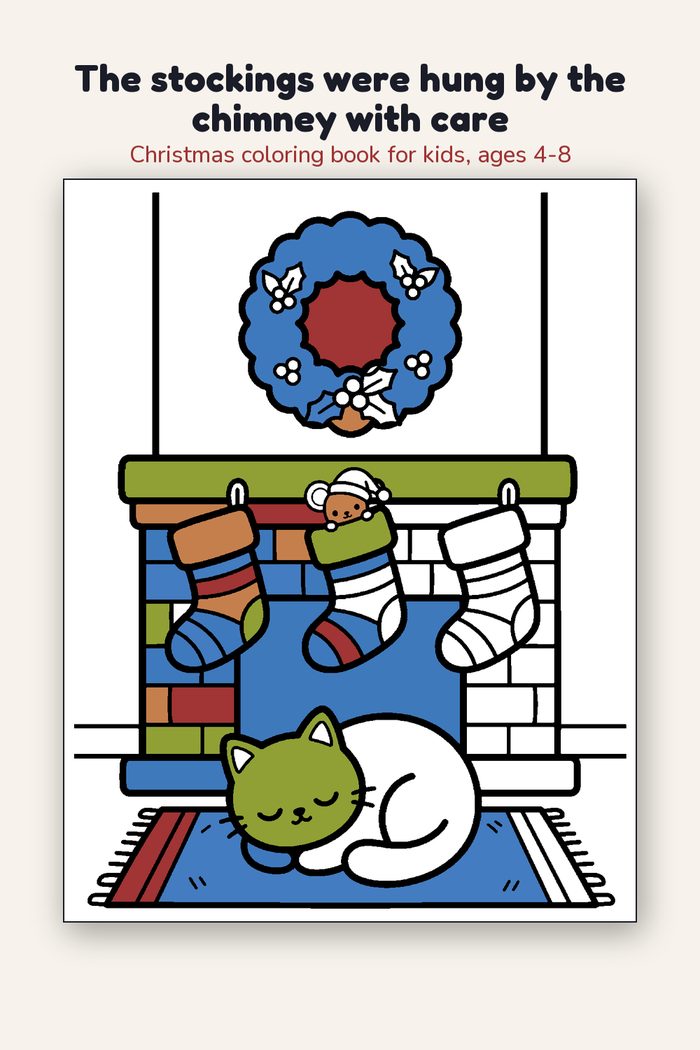
Here is the fix that no marker can offer: a coloring book that prints each picture on one side of the sheet only, with the back left blank. Then, even if ink does soak through, it lands on an empty page instead of the next picture. It also means a finished page can be torn out and put on the fridge without destroying anything on the other side.
Every Inkpot Lane coloring book is made this way. Every picture is on its own sheet, with nothing printed on the back.
The best markers by age
- Ages 3 to 5: chunky crayons and washable markers with thick tips. Big shapes, bold lines, very little bleeding.
- Ages 5 to 8: washable fine-tip markers and colored pencils. This is the age where finishing a whole picture becomes a point of pride.
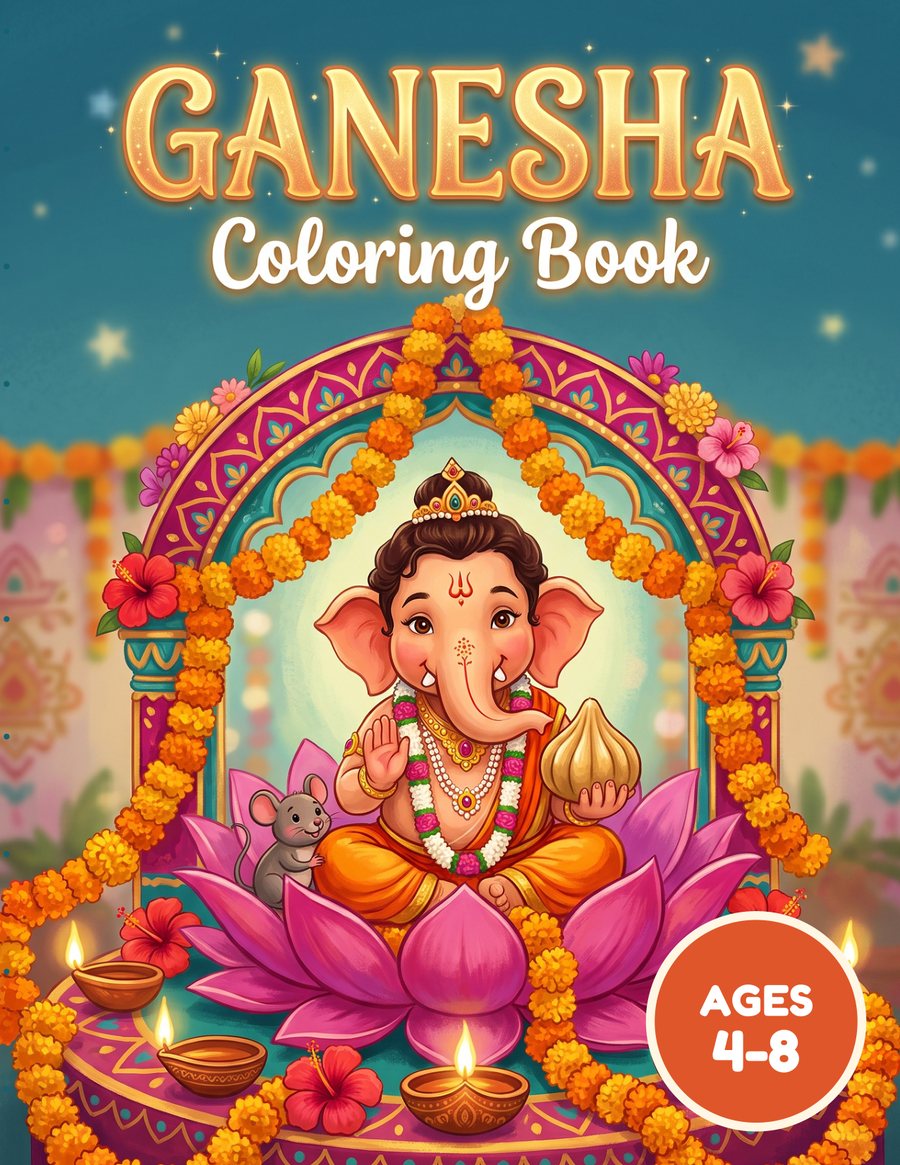
- Ages 8 to 12: colored pencils for shading, fine-tip markers for detail, gel pens for sparkle. Older children love detailed designs like the murti styles in our Ganesha coloring book for ages 8 to 12.
Our coloring books
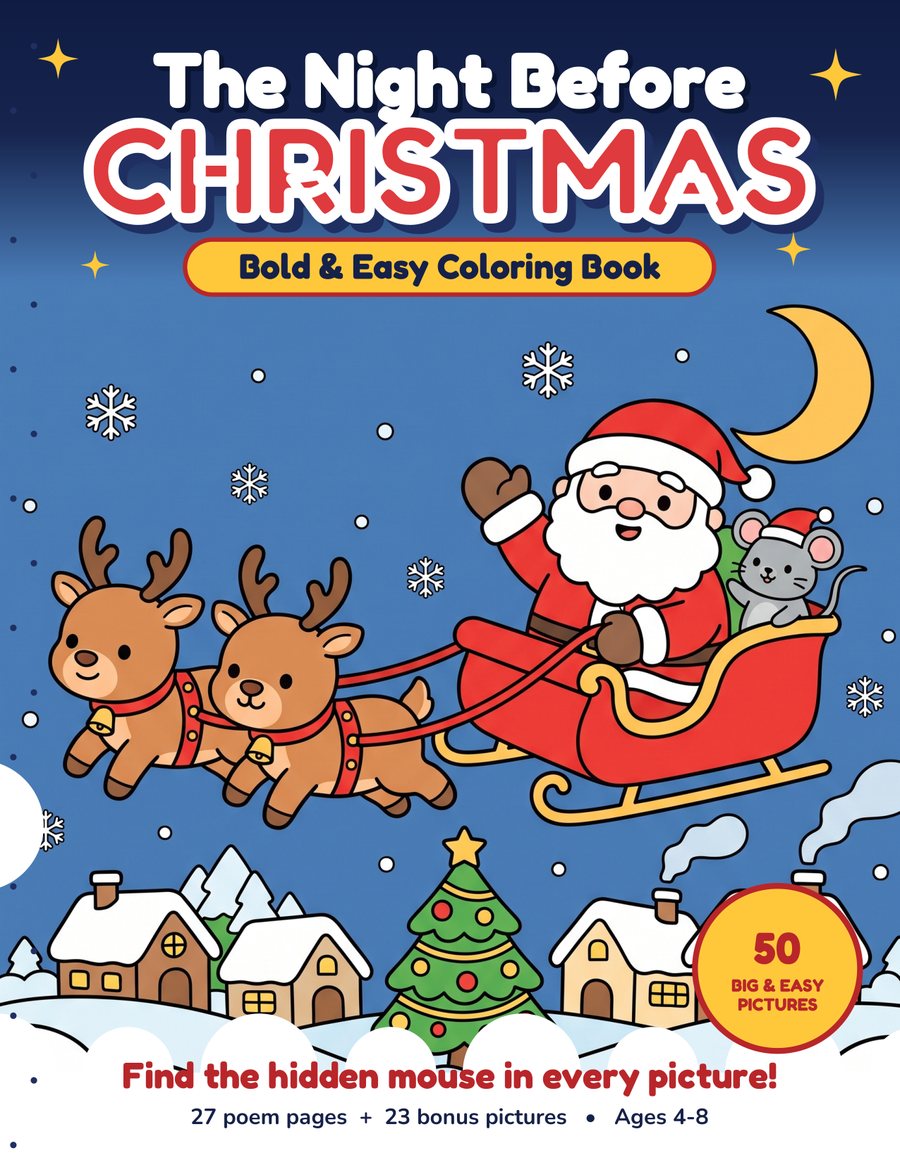
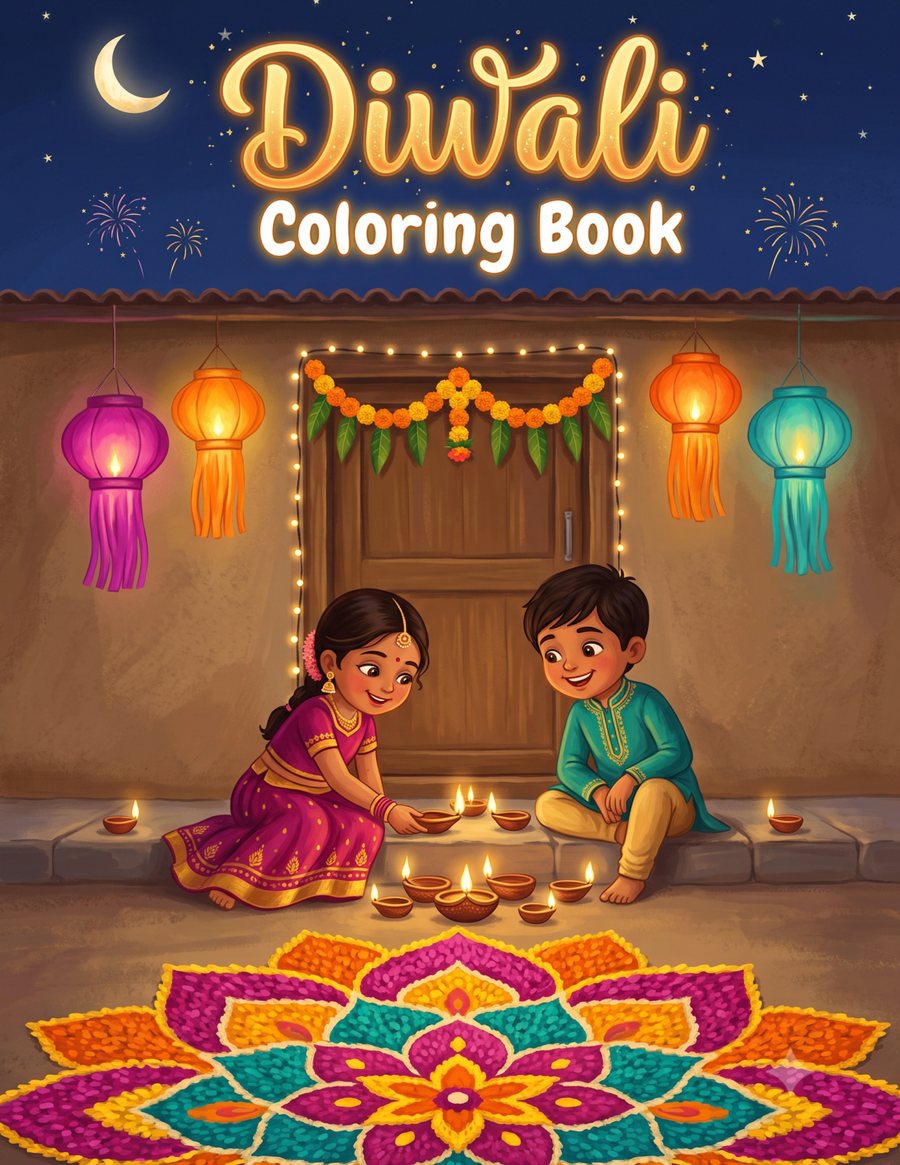
All four have thick lines, big shapes and single-sided pages:
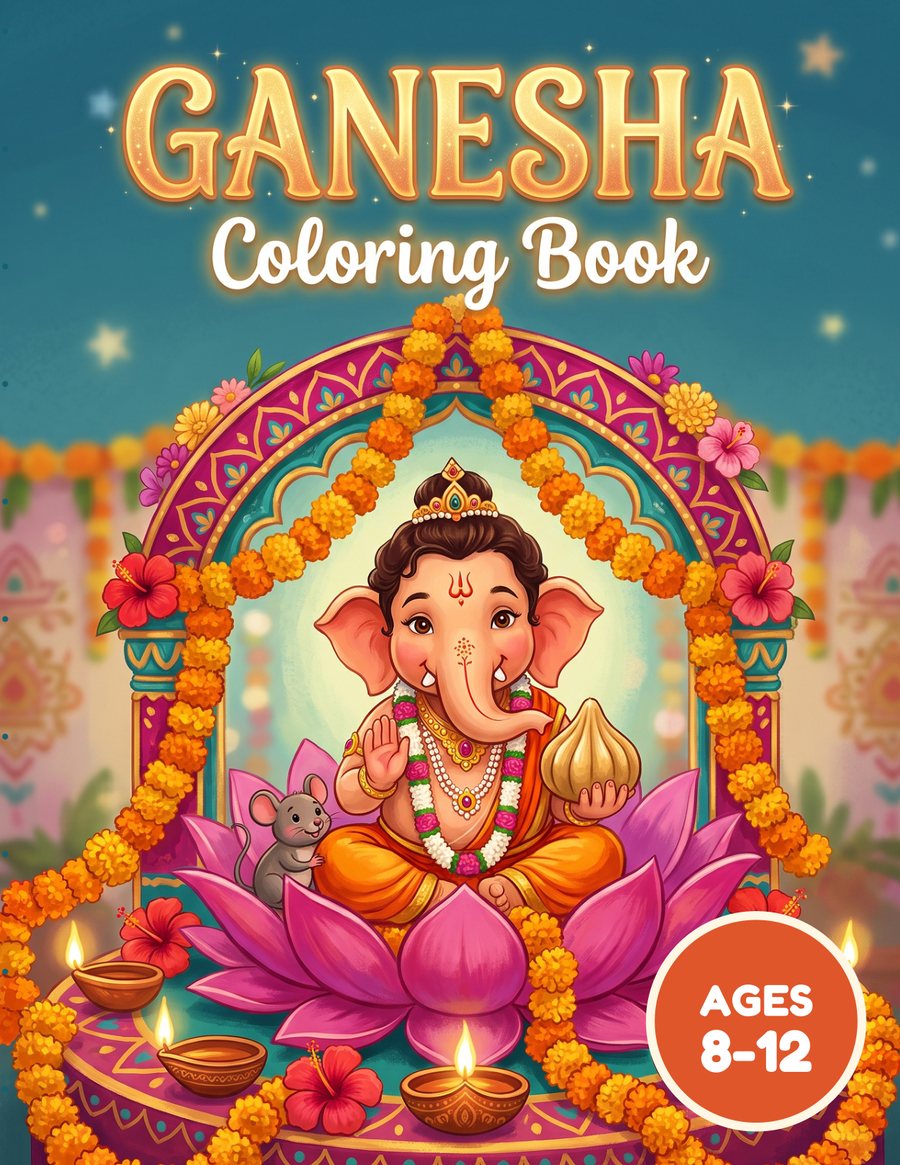
If you are wondering whether coloring is worth the mess at all, we also wrote about the benefits of coloring for kids.
Frequently asked questions
What markers don't bleed through coloring books?
Water-based markers, especially fine-tip ones, are the least likely to bleed through. Crayons and colored pencils never bleed. Alcohol-based markers bleed through most book paper, so use them only on single-sided pages with card underneath.
How do I stop markers bleeding through the page?
Put a piece of card or scrap paper behind the page, color in light layers instead of one heavy one, and test each marker first. Single-sided coloring books also stop bleed-through from ruining the next picture.
Are washable markers good for coloring books?
Yes. Washable markers are water-based, so they bleed far less than alcohol-based markers, and they wash off hands and tables, which makes them ideal for young children.
What is ghosting in a coloring book?
Ghosting is a faint shadow of your coloring visible from the back of the page, without the ink actually coming through. It is normal with many markers and does not damage the next page.